TL;DR — Is Burning Man worth it? For most people who go in prepared, yes. Budget roughly $2,000–$3,500 all-in for a first year (ticket ~$550, plus camp dues, gear, food, and travel), expect real hardship — 100°F days, 40°F nights, whiteout dust storms, and zero cell service — and understand that the payoff is a week of world-class art, radical generosity, and a genuine reset from normal life. It is worth it if you like discomfort in exchange for wonder and can plan ahead. It is not worth it if you want a comfortable, curated vacation or you show up unprepared. Come self-reliant, hydrate constantly, leave no trace, and light yourself up at night so you can find your way home. With tickets that have run about $575 before gear, most first-timers spend $1,500–$3,000+ all-in — so "worth it" is a real question.
Interest in Burning Man is spiking again thanks to the HBO series, and a wave of first-timers (the community calls them “virgins”) are asking the same honest question: is it actually worth the money and the misery? We dress performers and festival-goers for a living, and we have spent plenty of nights on the playa. Here is the straight answer, no hype.
How much does Burning Man actually cost?
Plan for $2,000 to $3,500 for your first year, all in. The ticket is only the entry fee. The real cost is everything you have to bring, because Black Rock City sells nothing except ice and coffee.
- Ticket: around $550 at face value (plus a vehicle pass, roughly $150).
- Camp dues: $200–$600 if you join a theme camp that handles shade, water, and shared meals.
- Gear: tent or RV, bike, goggles, dust masks, lights, costumes. First-year gear adds up fast.
- Food, water, and fuel: a full week of supplies for one person, no restocking.
- Travel: flights to Reno, a rental, or a long road trip to the Nevada desert.
Before you commit, run your real numbers with our Burning Man budget calculator and cost analysis. It is the fastest way to see whether the trip fits your money, not someone else’s.
What are the conditions really like?
Harsh. This is a survival event dressed up as a festival. Black Rock City is a temporary town on an ancient dry lakebed, and the desert does not care that you paid to be there.
- Heat and cold: daytime highs often hit 100°F, and nights can drop to the 40s. You dress for both, every day.
- Dust: the playa is fine alkaline powder that gets into everything. Whiteout dust storms can cut visibility to a few feet with no warning.
- No cell service: essentially no signal, no data, no maps. You navigate by landmarks and by memory.
- Radical self-reliance: one of the event’s ten principles. Nobody is coming to fix your problems. You bring what you need and you look after yourself.
None of this is a secret, and it is not a reason to skip it. It is the reason preparation matters more here than at any other festival on earth. Our Burning Man packing list and survival guide walks through exactly what to bring so the desert works with you instead of against you.
So what is the payoff?
The payoff is a week of art, community, and perspective you cannot buy anywhere else. People come home changed, and they are not exaggerating.
- The art: enormous interactive sculptures, mutant vehicles, and the Temple, all built for one week and largely burned or removed after. It is one of the biggest outdoor art shows in the world.
- The community: a gift economy with no money exchanged. Strangers hand you food, cold drinks, shade, and kindness with nothing expected back.
- The reset: a full week with no phone, no schedule, and no advertising rewires how you think. That mental clean-out is why so many people say it was worth every hard hour.
Who is Burning Man for, and who should skip it?
It is for open-minded, prepared people who trade comfort for wonder. It is not for anyone expecting a curated, low-effort vacation.
Go if you are curious, adaptable, willing to plan for months, and genuinely excited to give as much as you take. Skip it if you need reliable comfort, dislike crowds and chaos, cannot take heat and dust, or want to show up and be entertained. There is no shame in the second list. Knowing yourself saves you a lot of money and misery.
First-timer (virgin burner) tips that actually matter
Prepare like your week depends on it, because it does. These five habits separate a great first year from a rough one.
- Practice radical self-reliance. Bring more water than you think (a gallon-plus per person per day), backup batteries, tools, and a real first-aid kit.
- Respect MOOP. MOOP stands for Matter Out Of Place. Leave no trace means zero, down to sequins and feathers. Pack it in, pack it out.
- Hydrate and add electrolytes. The dry desert dehydrates you faster than you notice. Sip all day and add electrolytes, not just water.
- Build a survival kit. Goggles, dust mask, sunscreen, headlamp, warm layers for night, and closed shoes are non-negotiable.
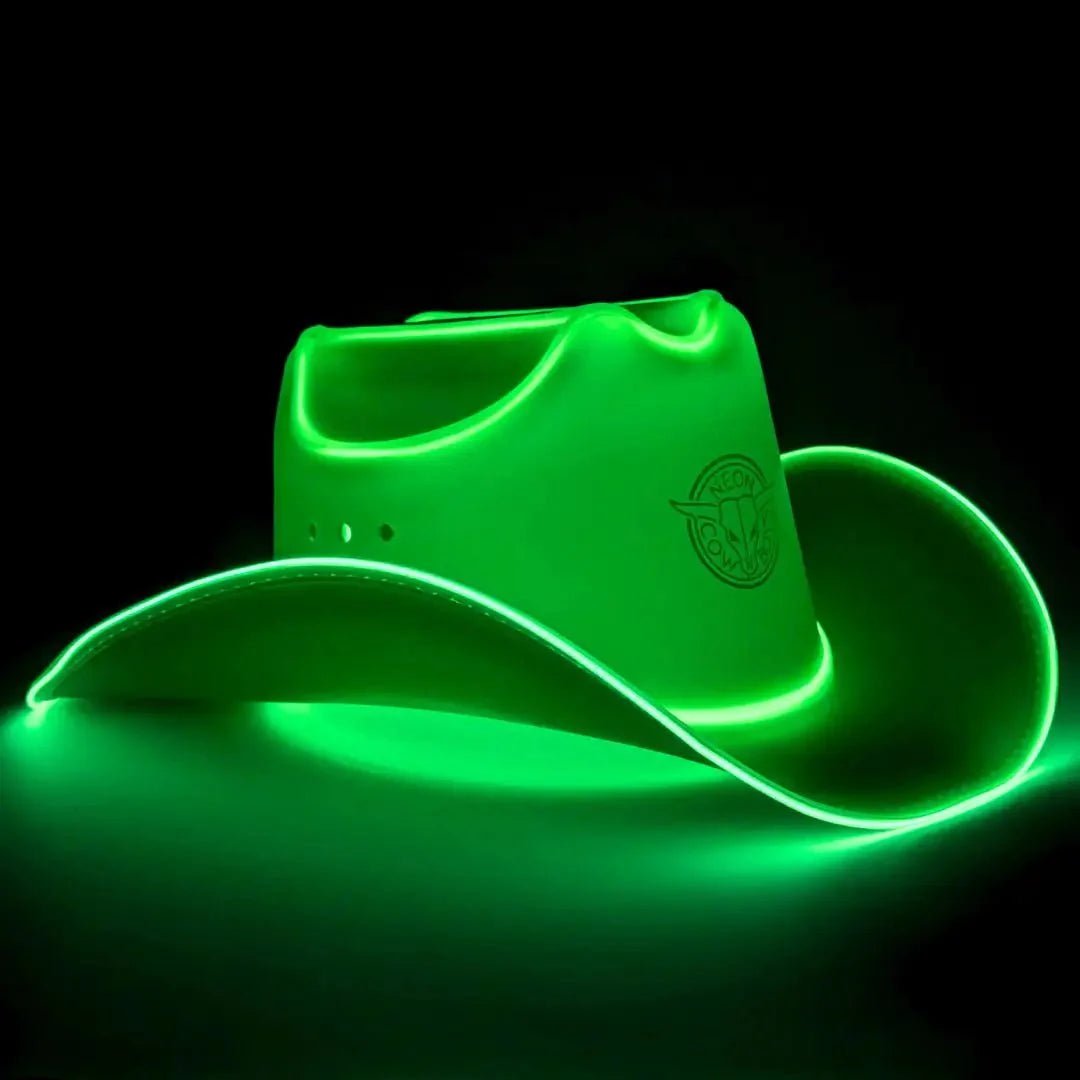
- Light yourself up at night. After dark the playa is huge and pitch black, and an unlit person is both hard to find and a real safety hazard around bikes and art cars. Wearable light is how you stay visible and how your camp finds you again.
The don’t-get-lost-at-night kit
The single easiest first-timer upgrade is wearable light. We are the original patented light-up cowboy brand, founder Asia Hall holds a U.S. utility patent on the LED hat, and this is exactly the gear we build. Being lit head to toe is how you turn “where is my camp” into a non-issue and stay safe among moving vehicles.


Want the deeper night-safety breakdown? Read what to wear to Burning Man on any budget and our guide to the best light-up hats for Burning Man.
Frequently asked questions
Is Burning Man worth it for a first-timer?
Yes, for most prepared first-timers it is worth it. If you plan ahead, budget honestly, and commit to radical self-reliance, the art, community, and reset usually outweigh the discomfort. Show up unprepared and it can be miserable.
How much should I budget for my first Burning Man?
Plan for roughly $2,000 to $3,500 all in for year one: about $550 for the ticket, plus a vehicle pass, camp dues, gear, a full week of food and water, and travel to Nevada. Run your exact numbers with a budget calculator before you commit.
Is there cell service at Burning Man?
Essentially none. Do not rely on your phone for maps, messaging, or emergencies. Make plans with your camp in advance, agree on meetup spots, and navigate by landmarks.
What is a virgin burner?
“Virgin” is the community’s friendly term for a first-time attendee. Virgins traditionally ring the bell at the gate on arrival. It is a badge, not an insult.
What does MOOP mean?
MOOP stands for Matter Out Of Place, meaning any trash or debris left on the playa. Burning Man’s Leave No Trace principle requires you to pack out everything you bring, down to the smallest sequin.
Why do people say you need to light yourself up at night?
After dark the playa is vast and pitch black. Unlit people are hard for friends to find and dangerous around fast-moving bikes and art cars. Wearable LED lights keep you visible, safe, and easy for your camp to locate.
Who should NOT go to Burning Man?
Skip it if you want a comfortable, low-effort vacation, cannot tolerate extreme heat, cold, and dust, dislike large crowds and chaos, or are unwilling to spend months preparing. It rewards effort and punishes showing up unready.
Is Burning Man dangerous?
It carries real risks from heat, dehydration, dust storms, and vehicle traffic at night, but preparation manages nearly all of them. Bring water, electrolytes, dust protection, warm night layers, and lights, and follow the self-reliance principle.
Disclaimer: Neon Cowboys is an independent brand and is not affiliated with, endorsed by, or sponsored by Burning Man Project. “Burning Man” is used here for informational and descriptive purposes only.
Written by the Neon Cowboys Team. Life’s short. Glow anyway. Take a million pictures.